
Why the powder in your bathroom cabinet is doing less than you think — and what actually works.
If you've searched "why does baby powder make my rash worse" or "best treatment for monsoon sweat rash," you've probably noticed the powder you grew up trusting isn't actually helping anymore. Monsoon humidity changes everything about how skin behaves, and the habit of reaching for baby powder the moment a sweat rash appears might be making things worse, not better.
Why Monsoon Weather Is Brutal for Skin
Monsoon season combines heat with extreme humidity, which means sweat doesn't evaporate the way it does in dry weather. It just sits on the skin, trapped under clothing, between skin folds, and around the neck and back. That constant moisture is exactly the environment where a sweat rash develops and spreads fastest.
Why Baby Powder Feels Like the Obvious Fix
Baby powder has been the default monsoon remedy for generations, mostly because it instantly absorbs surface moisture and makes skin feel dry. That immediate feeling of relief is why so many people never question whether it's actually treating the sweat rash or just masking it temporarily.
The Real Problem With Baby Powder in Humid Weather
1. It Cakes With Sweat Instead of Staying Dry
In high humidity, powder doesn't stay powder for long. Combined with ongoing sweat, it forms a paste-like residue that sits directly on irritated skin, which can trap heat and worsen an existing sweat rash rather than calming it.
2. It Clogs Pores in Already-Inflamed Skin
A sweat rash happens when sweat ducts become blocked or irritated. Adding a fine powder on top of that skin adds another layer that can further clog pores, especially once it mixes with sweat and turns into a paste.
3. It Doesn't Address Bacteria or Fungus
Monsoon humidity is the perfect environment for bacteria and fungus to thrive on skin. Baby powder has no antibacterial or antifungal properties, so it does nothing to address the underlying cause of a sweat rash that's turned into an infection, it just sits on top of it.
4. It Doesn't Stop the Friction That Starts the Rash
Most sweat rashes begin with friction between skin folds, made worse by moisture. Powder briefly reduces surface stickiness but doesn't create any lasting barrier against friction, so the rash-causing rubbing continues underneath.
What Actually Helps a Monsoon Sweat Rash
The right approach isn't about absorbing moisture after the fact, it's about preventing the friction and bacterial buildup that causes a sweat rash in the first place. A barrier cream formulated for humid conditions protects skin before irritation starts and continues working through a full day of monsoon sweat, unlike powder that needs constant reapplication.
How to Choose the Right Product for Monsoon Skin
Look for a formula free from talc, sulphates, and parabens, with natural ingredients that both protect against friction and calm skin that's already irritated by a sweat rash, rather than one that just absorbs moisture temporarily.
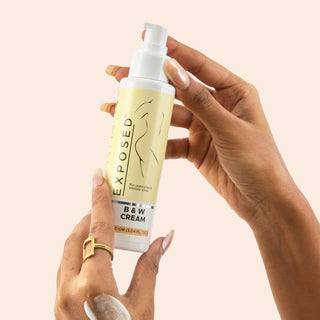
The Exposed Sweat Protector Anti-Chafing Cream is formulated with aloe vera, rosemary, and cooling karpur oil to create a protective barrier against monsoon sweat rash, working through humidity and movement without caking or clogging pores the way powder does.
Shop Sweat Protector CreamThe Bottom Line
Baby powder was never designed for the kind of humidity monsoon season brings, and in that environment, it often makes a sweat rash worse instead of better. Switching to a barrier-based formula built for humid weather addresses the actual cause, friction and trapped moisture, instead of just masking the symptoms for a few dry minutes at a time.
If a rash is painful, spreading, or shows signs of infection (pus, fever, increasing redness), please consult a doctor or dermatologist rather than relying on any topical product alone.